

Goal
Setting expectations for customers following their initial design consultation, particularly for those who may not have been fully prepared during the first meeting, while also introducing the new revision fee.

ACTIONS
INTERVIEWS
Conducted interviews with sales representatives to identify prevalent issues. Discovered that many customers were requesting revisions due to incomplete information and misunderstandings about project timelines and next steps, particularly those who attended appointments unprepared.
COLLABORATE
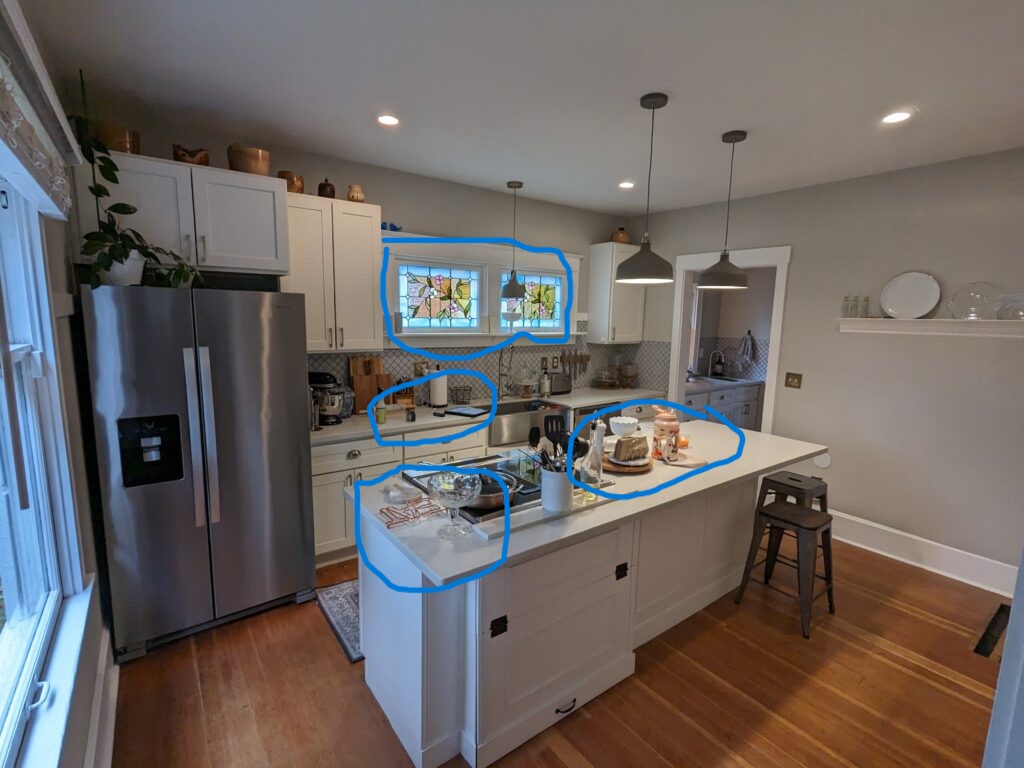
Engaged in discussions with the sales manager to verify the precision of fine print details and align with his vision. Upon his request, integrated icons and rendered images to enhance the presentation.
DESIGN PROCESS
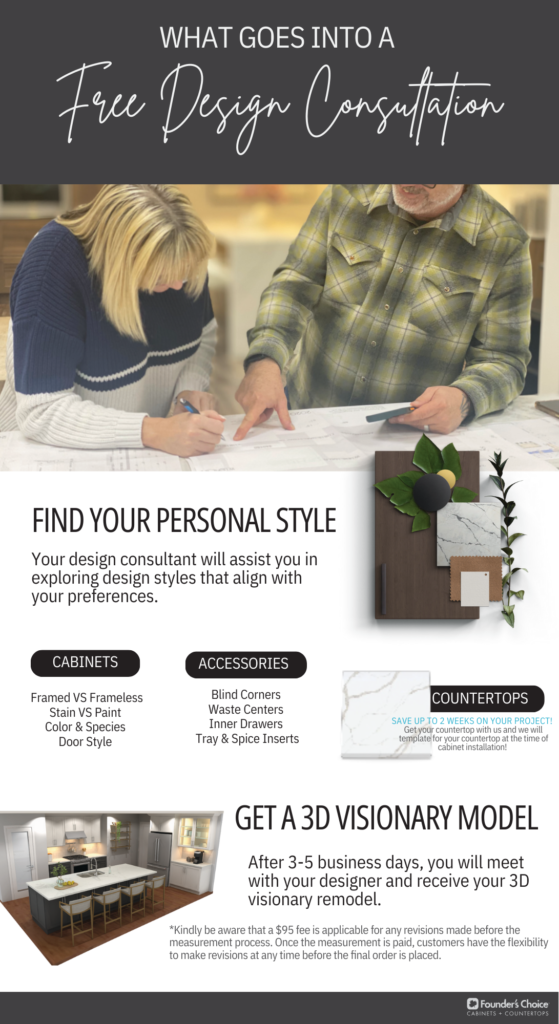
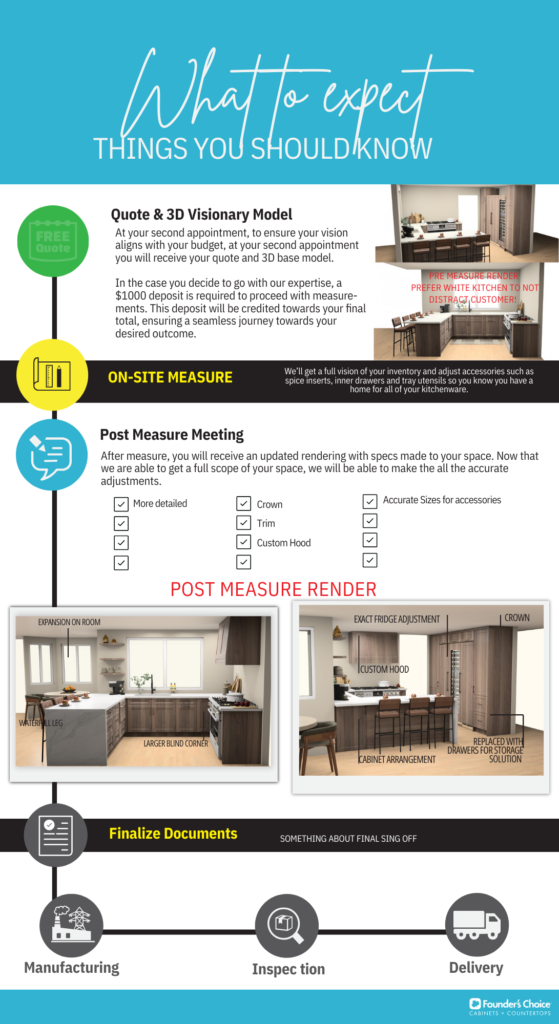
Adopted a consumer-centric approach, prioritizing design elements to build trust and engagement. Envisioned the document from the perspective of a retail consumer, ensuring it would captivate attention and not be dismissed as mundane paperwork. Integrated essential information that sales personnel might convey verbally but was absent from our order forms.
ROUGH DRAFT
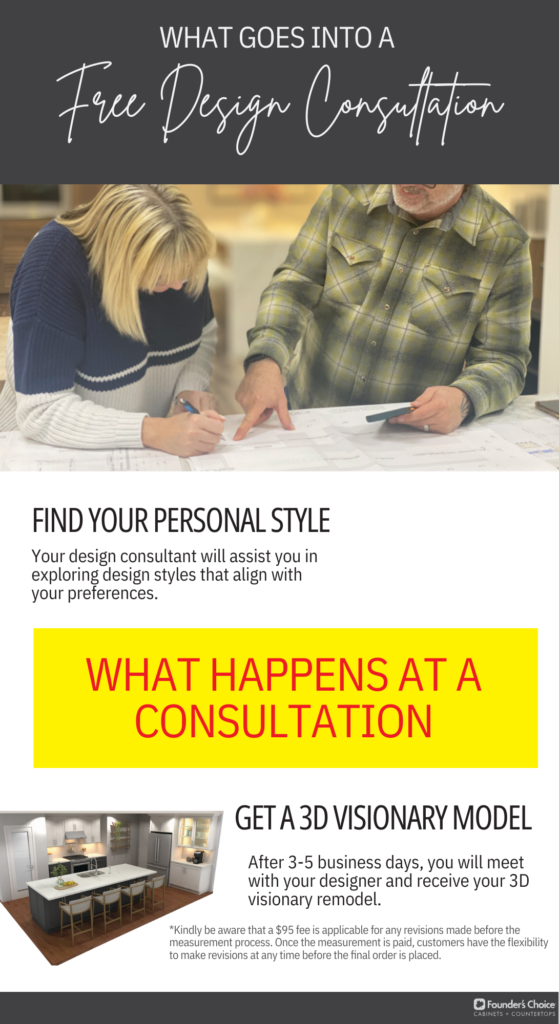
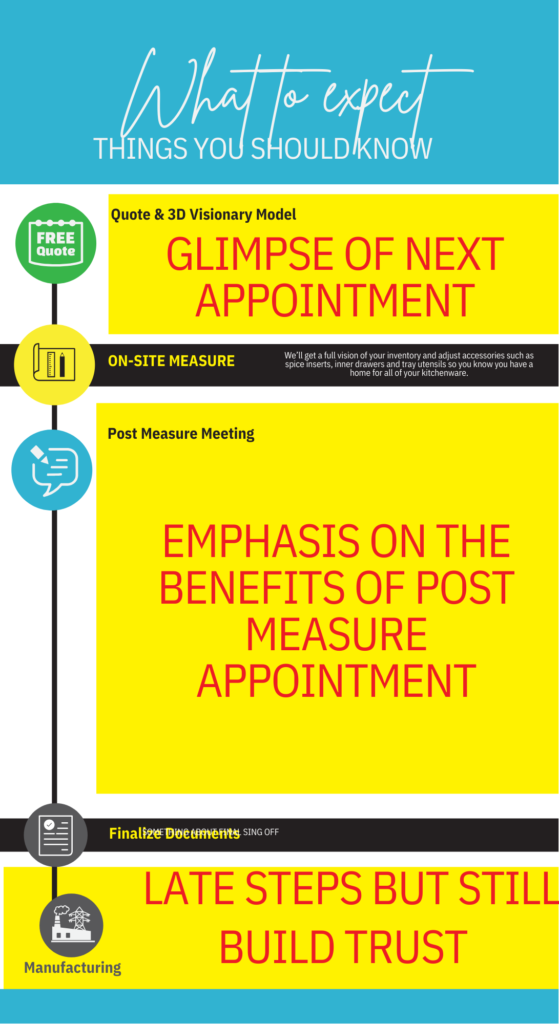
Developed a structured vision layout with mock placeholders, emphasizing design elements while offering insights into both design and manufacturing processes. Given that customers would review this document before completing their orders, the primary emphasis was on design.


RESULTS
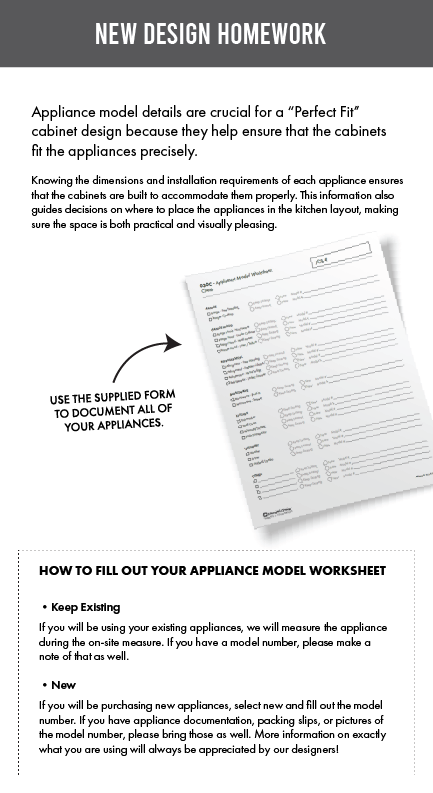
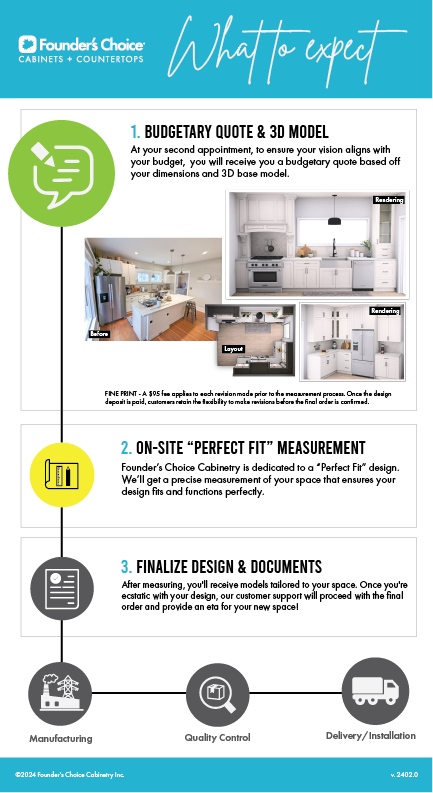
I removed excess wording from the back to streamline the document, and on the front side, I replaced content with instructions detailing how to complete the new Appliance Worksheet form.
The sales team expressed their satisfaction with this document, noting that it not only encouraged customers to complete the form but also simplified the breakdown of timelines for each phase.
KEY TAKEAWAYS
- Things can change fast. No matter how much i love a design, I learned that removing a section can always be used for another project or on the website.
- Simplicity is key. While initially inclined to include every detail in the document, I realized the importance of simplifying it to ensure it resonated with customers and was not dismissed as mere legal jargon.
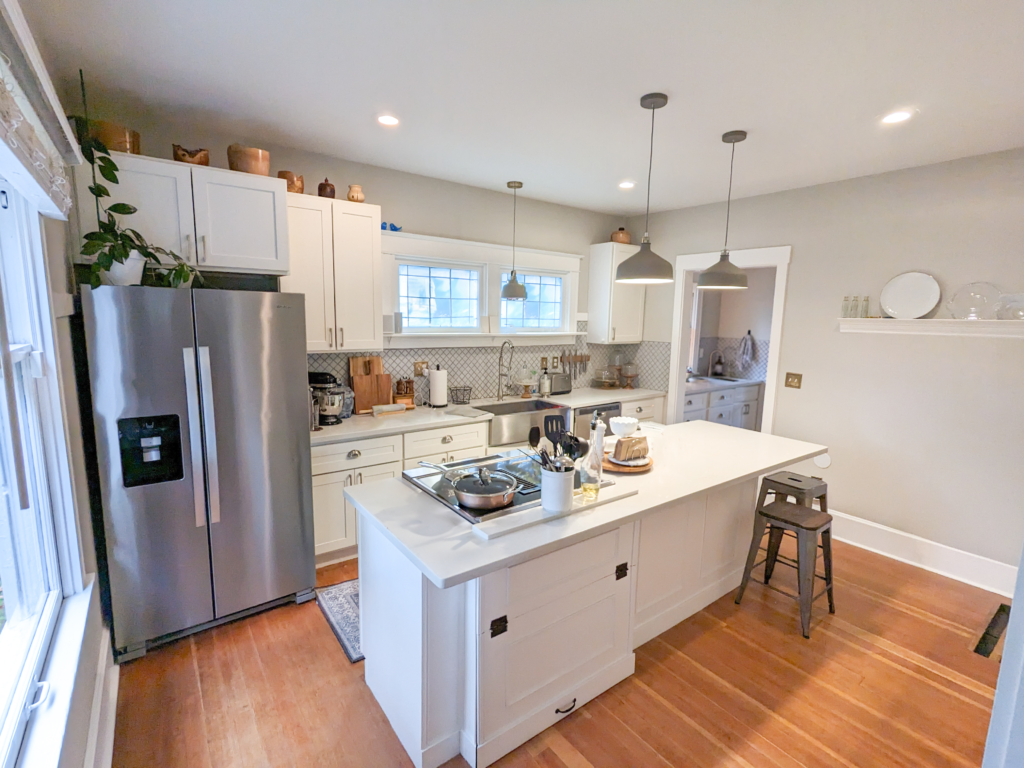
- In the process of finding distraction-free kitchen images, I established organized folders to store photos, facilitating smoother access for future projects.
IF I COULD CHANGE SOMETHING…
- Adjusting the colors to create a more modern and visually appealing layout. However, the management team had different preferences.
- Incorporating a copy of this document in our appointment confirmation emails.